
A Third of Eligible Migraine Patients Were Not Offered preventive therapy
Find out why a third of eligible migraine patients were not offered preventive therapy and

Strokes are a serious medical condition that are among the leading causes of death in the United States. Although people over age 65 are most likely to have a stroke, strokes can occur at any age. Knowing the risk factors of having a stroke can help you to answer the question “am I having a stroke” when symptoms arise.
Strokes happen when blood flow to the brain stops. This can happen due to a blood vessel bursting or becoming blocked. In both instances, blood flow to that part of the brain stops. Because blood carries oxygen to the brain, the impacted part of the brain begins to die. The functions of the body controlled by that part of the brain no longer occur resulting in many of the symptoms of stroke. There are two types of stroke – ischemic and hemorrhagic; both have different causes.
Certain lifestyle choices and underlying health issues can increase the risk of having a stroke:
Each individual’s symptoms will vary based on a number of factors, including if the stroke is triggered by a clot or a bleed. Some strokes have symptoms that have a sudden onset and seemingly no warning. Other strokes will have symptoms that gradually increase. Small strokes can be difficult to identify as the decreased intensity of the symptoms can mimic a number of other illnesses.
The following symptoms should trigger the thought of “am I having a stroke” and an immediate call to 911:
Top Neurologist in NYC
If your symptoms have made you ask “am I having a stroke,” it is important to seek medical assistance immediately. For assistance assessing your risk for stroke, speak with a board certified neurologist.
NY Neurologists

A Third of Eligible Migraine Patients Were Not Offered preventive therapy
Find out why a third of eligible migraine patients were not offered preventive therapy and
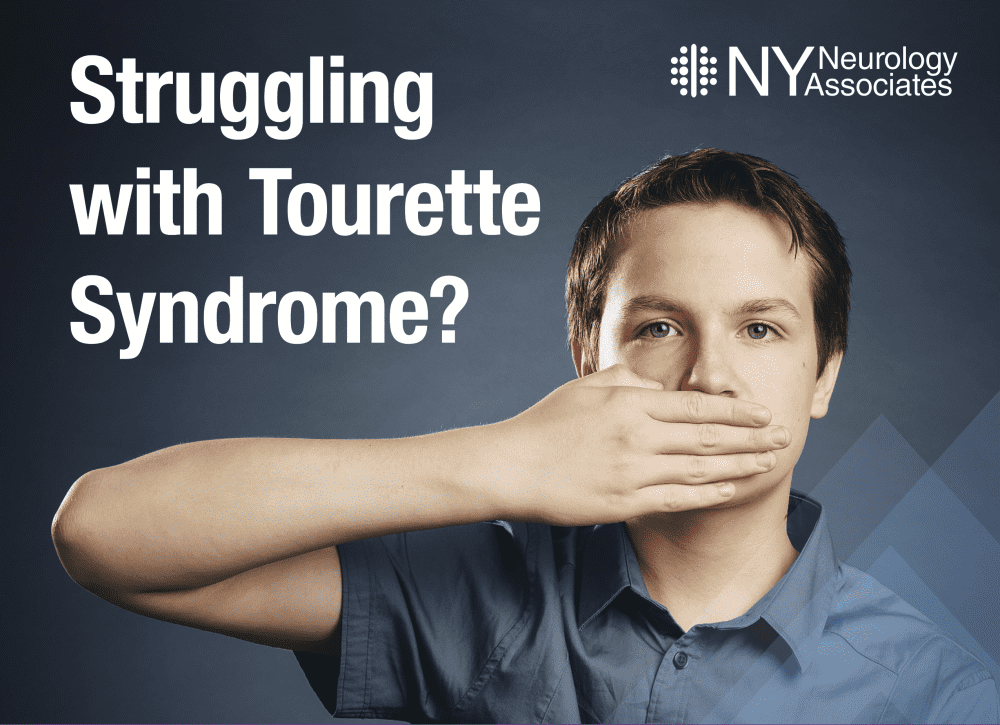
New NYNA Tourette Syndrome Study
Learn how NY Neurology Associates is advancing Tourette syndrome care with innovative treatments and a

Seizures: Understanding and Overview
Discover what causes seizures, how to recognize key symptoms, and the steps that help keep
