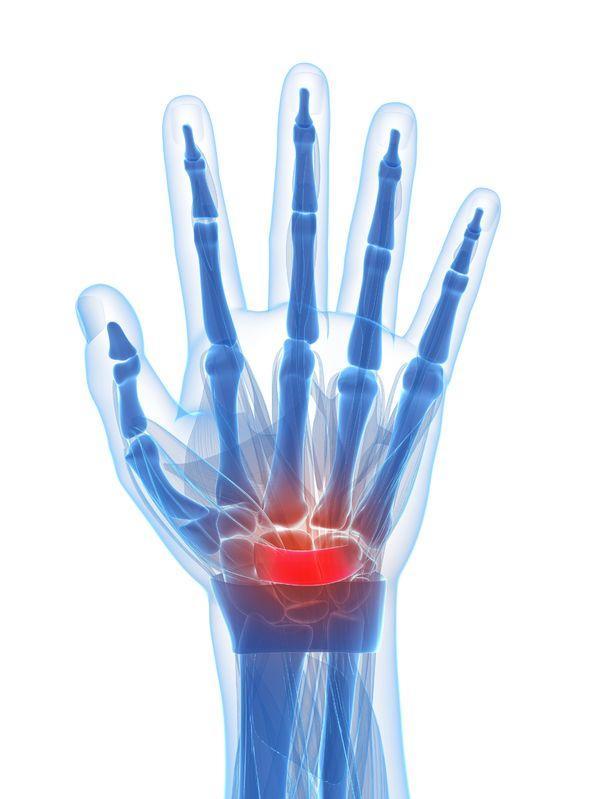
Electromyography (EMG): Measures the electrical activity in your muscles to identify muscle weakness, nerve damage, or issues at the junction between muscles and nerves.
Nerve Conduction Study (NCS): Evaluates how well your nerves transmit electrical signals, helping detect nerve damage, peripheral neuropathy, and conditions like carpal tunnel syndrome.
Nerve Conduction Velocity (NCV): Measures the speed of electrical impulses along your nerves to determine abnormalities, diagnose nerve or muscle disease, and assess nerve function.
At NY Neurology Associates in New York, we specialize in helping patients uncover the root cause of their neurological symptoms.
EMG / NCV / NCS
Diagnostic tests are a critical aspect of identifying the root cause of a neurological concern. The information these tests provide allows physicians to create a treatment plan that addresses a patient’s specific needs. The NY Neurology Associates team works to provide each patient with detailed information about the testing process so that they are fully prepared.
EMG – Electromyogram
An EMG or electromyogram is used to measure how much electrical activity your muscles have both when they are at rest and when they are contracted. These tests are often used to:
Identify issues with the muscles, nerves, or the areas between muscles and nerves.
Understand and address the root cause of feeling numb, weak, or having spasms in the muscles.
There are two ways of doing an EMG: either by placing electrodes on the skin over the muscle in question or by placing a needle directly into the muscle. The EMG is then able to detect and record all of the information about the movement of the electrical activity. The results from the EMG can help to pinpoint if an issue is caused by an issue with the muscle, with the nerve or with the junction between the two.
NCS – Nerve Conduction Study
Nerve conduction studies, or NCS, measure how efficiently nerves transmit signals from the brain to the muscle. These studies may be done with EMG. Uses for NCS include:
Finding and determining the severity of nerve damage
Understanding and diagnosing the root cause of feelings of numbness or tingling
To do an NCS, an electrode is placed directly over the nerve in question. A second monitoring probe is also added that allows doctors to record how well the nerve is doing in communicating with the body. The reaction times are closely monitored to determine if there is nerve damage.
NCV – Nerve Conduction Velocity
Nerve Conduction Velocity or NCV looks at specific feedback on nerves that are performing abnormally. This test is done with EMG in order to identify how well the nerves are conducting electrical activity. Uses for NCV include:
Diagnosis of nerve damage
Evaluating diseases of the nerves or muscles
To do the test, an electronic pulse is sent to a nerve. The nerves are monitored to determine how fast the message can be passed along the passageway of nerves.
Take Control of Your Nerve Health Today
Don’t let nerve pain, muscle weakness, or unexplained tingling keep you from living your life. At NY Neurology Associates, our expert team is here to help you understand your symptoms with advanced EMG and nerve conduction studies. Contact us today to schedule your appointment and get the care you deserve.
FAQs About Nerve Conduction Tests and Electromyography
Below are some common questions about nerve conduction tests and electromyography, with answers taken directly from the article.
What is an EMG, and what does it measure?
An EMG or electromyogram is used to measure how much electrical activity your muscles have, both when they are at rest and when they are contracted.
What are the uses of an EMG?
These tests are often used to identify issues with the muscles, nerves, or the areas between muscles and nerves. They can also be used to understand and address the root cause of feeling numb, weak, or having spasms in the muscles.
How is a nerve conduction study (NCS) performed?
To do an NCS, an electrode is placed directly over the nerve in question. A second monitoring probe is also added that allows doctors to record how well the nerve is doing in communicating with the body. The reaction times are closely monitored to determine if there is nerve damage.
What is nerve conduction velocity (NCV) used for?
Uses for NCV include the diagnosis of nerve damage and evaluating diseases of the nerves or muscles.
How does NCV testing work?
To do the test, an electronic pulse is sent to a nerve. The nerves are monitored to determine how fast the message can be passed along the passageway of nerves.
I can’t explain to you how happy I was with The experience I had with the doctors in this office. They are very professional very attentive, and of course, very knowledgeable. When I left there I felt at ease to know that I am in good hands. I would recommend anyone I know to these doctors.
Service was excellent. Staff were very helpful friendly and polite. They were all on top of their duties and reached out at the end of the day to follow up keep up the good work guys.
Excellent medical office with incredible professional staff: helpful, positive, polite. Doing all in their power to give you the best services. Wonderful doctors and facilities. Highly recommending NY Neurology Associates!
I had a wonderful experience at the neurologist's office. From the moment I stepped in, the staff was incredibly welcoming and professional. I had some tests done on-site, and every person I interacted with demonstrated a high level of professionalism....
Was greeted by a wonderful friendly staff. They honored my appointment right on time. It was easy having my follow up appointments made for testing in a timely fashion