
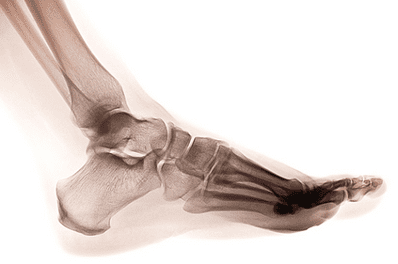



Heel spurs occur when a calcium deposit forms on the bottom of the heel bone. When viewed on an X-ray, heel spurs can extend out as much as a half-inch. Even without X-ray confirmation, many heel spurs can be identified during a physical exam.
Fortunately, heel spurs are often painless. However, heel pain is a common symptom of the condition. There are a number of ways to address the pain associated with heel spurs, including steroid injections.
Heel spurs are often the result of strained muscles or ligaments in the foot. Athletes, particularly those who run and jump, are at risk of developing the issue.
Other risk factors for the development of heel spurs include:
Often, there are no symptoms associated with heel spurs. When pain does occur, it will be more intense while the patient is walking, running, or jogging. Inflammation can develop, which results in pain that many describe as knifing at first and then transitioning into a dull pain.
For individuals with chronic pain from heel spurs, corticosteroid injections are a good option. Cortisone is produced naturally in the body in response to stress. A synthetic version of the hormone may be injected into the side of the heel in order to reduce inflammation.
The reduced inflammation significantly reduces pain and provides relief that can last for weeks. Multiple injections may be needed in order to obtain the full benefit of the treatment.
If heel spurs are causing you pain, you don’t have to live with the discomfort. Our experienced team at NY Neurology Associates offers cortisone injections, which can help relieve heel pain and improve your quality of life.
Contact one of our offices in New York today to schedule your appointment and start your journey toward pain relief.
Heel spurs occur when a calcium deposit forms on the bottom of the heel bone.
Heel spurs are often the result of strained muscles or ligaments in the foot. Other risk factors include an abnormal gait or walking pattern, running on hard surfaces, wearing shoes that do not fit well, being overweight, being of an advanced age, standing for long periods of time, and diabetes.
Often, there are no symptoms associated with heel spurs. When pain does occur, it will be more intense while the patient is walking, running, or jogging.
For individuals with chronic pain from heel spurs, corticosteroid injections are a good option. Cortisone is produced naturally in the body in response to stress. A synthetic version of the hormone may be injected into the side of the heel in order to reduce inflammation.
Related Services:
Testimonial
“My doctor and his assistant were very nice, attentive, and thorough. The technicians doing the tests were nice as well. The staff was very warm and welcoming.“
– Gabe M.
Providers
Specialties
Related Blogs

A Third of Eligible Migraine Patients Were Not Offered preventive therapy
Find out why a third of eligible migraine patients were not offered preventive therapy and

New NYNA Tourette Syndrome Study
Learn how NY Neurology Associates is advancing Tourette syndrome care with innovative treatments and a

Seizures: Understanding and Overview
Discover what causes seizures, how to recognize key symptoms, and the steps that help keep
Feedback From our Patients
Choose your preferred location
