A Third of Eligible Migraine Patients Were Not Offered preventive therapy
Find out why a third of eligible migraine patients were not offered preventive therapy and

Herniated disc, also known as a slipped or ruptured disc, can occur in any part of the spine, but it is more typical for the lower back. Moreover, this problem is one of the most common causes of the low back pain and sciatica (leg pain). Today’s medicine worked our nonsurgical treatments which help people even with the acute pain to feel desired relief after just a few weeks or months of therapy.
To understand better the problem and to determine the signs of herniated disk, we should look closely at the human anatomy.
Human spine consists of 24 bones (called vertebrae) that are placed on top of one another. These bones together create a canal for the protection of the spinal cord. The lower back is also known as lumbar spine and consists of five vertebrae.
Spinal cord and nerves are stretched through the spinal canal and serve to carry the message between your brain and muscles. Intervertebral disks work as shock absorbers for your vertebrae; they are flat and round and approximately half inch thick. Intervertebral discs consist of:
Now, when we have looked closely to the anatomy of the spine, we can speak about such abnormality as herniated disc.
A disc is considered to be herniated when its jelly-like nucleus pushes against its outer ring. It can be caused by some reasons, such as wear and tear or a sudden injury. As a result of this pressure against the outer ring, we can feel lower back pain.
As we get older, our discs lose water content and begin to dry out and weaken. It is related to the natural aging of our spine. However, there are some risk factors which can fasten the wear and tear of the disc.
You can have only one or all of the following symptoms:
We hope this article has answered your questions and clear the problem of the herniated discs.
Gary Starkman

A Third of Eligible Migraine Patients Were Not Offered preventive therapy
Find out why a third of eligible migraine patients were not offered preventive therapy and

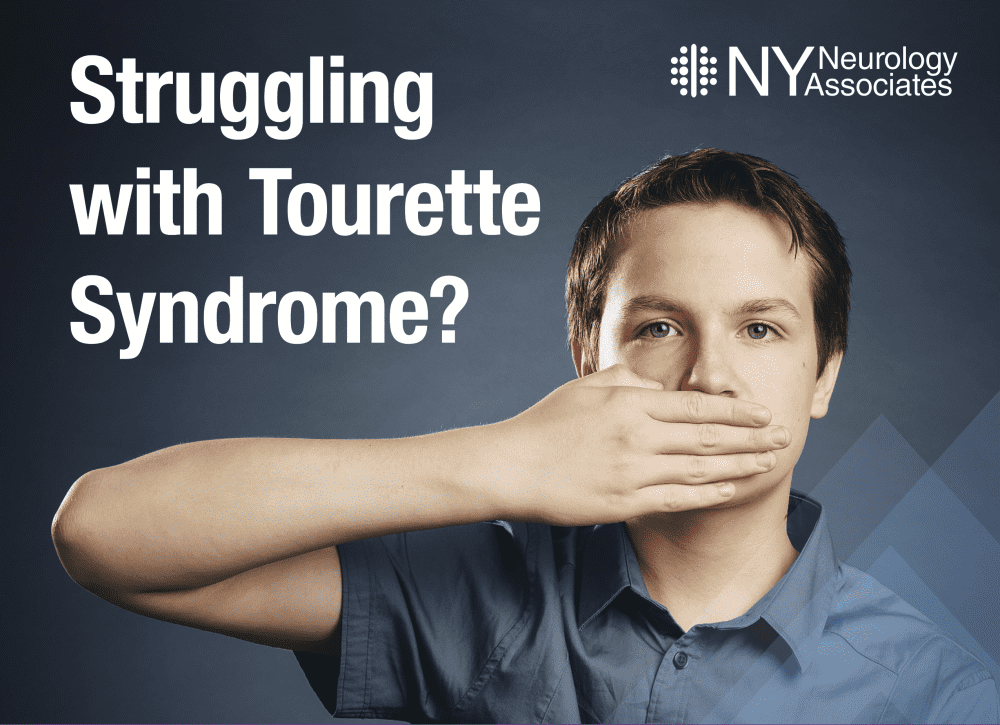
New NYNA Tourette Syndrome Study
Learn how NY Neurology Associates is advancing Tourette syndrome care with innovative treatments and a

Seizures: Understanding and Overview
Discover what causes seizures, how to recognize key symptoms, and the steps that help keep