




Fainting and near fainting are caused by a lack of blood flow to the brain, causing a person to lose consciousness. The loss of consciousness is typically short in duration and has a quick recovery. If a person is standing when the fainting episode occurs, they will typically fall down. Once they are on the ground, the blood flow to the brain is restored, and the person regains consciousness.
Generally speaking, there is little or no warning before a person faints. Some individuals, particularly those who experience regular fainting spells, may feel dizzy or lightheaded before they faint. This indication provides some warning before losing consciousness, often allowing them to get into a safe position.
In order to rule out a significant health issue, you should seek medical treatment if you’ve recently fainted for the first time. Individuals with heart conditions or who experience any of the symptoms below should also seek medical care:
After a fainting spell, diagnostic tests will be performed in order to identify the root cause of the issue. Often, there is no clear medical cause, and as long as the fainting does not recur, there is no need for medical treatment. However, if the fainting happens regularly, tests will be done to identify the cause. Treating fainting means treating the root cause of the fainting episodes.
If you’ve experienced fainting episodes, near fainting, or other symptoms such as dizziness, irregular heartbeats, or sudden drops in blood pressure, don’t wait to get answers. Our experienced neurologists can help identify the underlying cause and create a treatment plan to prevent fainting and protect your health.
Call NY Neurology Associates today to schedule an appointment and take the first step toward peace of mind.
Below are some of the most common questions about fainting and near fainting.
Fainting and near fainting are caused by a lack of blood flow to the brain, causing a person to lose consciousness.
Generally speaking, there is little or no warning before a person faints. Some individuals, particularly those who experience regular fainting spells, may feel dizzy or lightheaded before they faint.
In order to rule out a significant health issue, you should seek medical treatment if you’ve recently fainted for the first time.
Treating fainting means treating the root cause of the fainting episodes.
If you’ve experienced fainting episodes, near fainting, or other symptoms such as dizziness, irregular heartbeats, or sudden drops in blood pressure, don’t wait to get answers.
Testimonial
“Super professional and friendly. Highly recommended.“
– Ron P.
Providers
Specialties
Related Blogs

A Third of Eligible Migraine Patients Were Not Offered preventive therapy
Find out why a third of eligible migraine patients were not offered preventive therapy and how NY Neurology Associates can help.
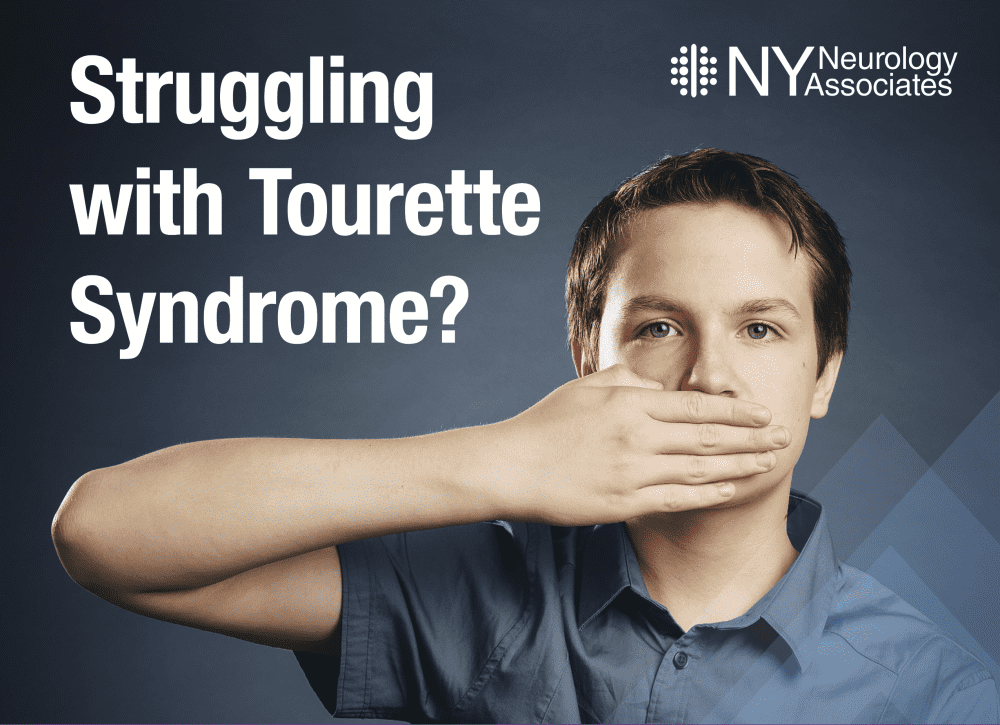
New NYNA Tourette Syndrome Study
Learn how NY Neurology Associates is advancing Tourette syndrome care with innovative treatments and a patient-focused approach in their latest study.

Seizures: Understanding and Overview
Discover what causes seizures, how to recognize key symptoms, and the steps that help keep someone safe, while learning when to seek expert care.
Feedback From our Patients
Choose your preferred location
