What Causes a Stroke?
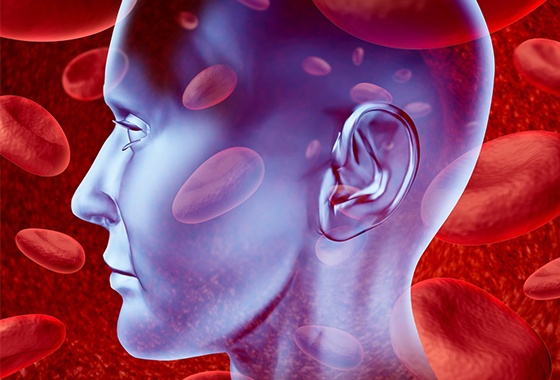
Strokes occur when the blood supply to the brain is interrupted, depriving one or more areas of the brain of vital oxygen supplies. Most often, the disruption to blood flow is caused by a clot that lodges in one of the carotid arteries, major arteries located on either side of the neck that supply blood to the brain, or a narrowing or blockage in one of these arteries. These are called ischemic strokes, and they account for about 90 percent of all strokes.
Less commonly, strokes can occur when blood vessels in the brain rupture and bleed, causing what’s known as a hemorrhagic stroke. Both types of stroke can cause temporary or permanent impairment of functions like speech, cognition, or movement, depending on where the stroke occurs, and some strokes are serious enough to cause death.
What is a Transient Ischemic Attack (Mini Stroke)?
Like an ischemic stroke, transient ischemic attacks (TIAs, sometimes called “mini-strokes”) occur as a result of arterial blockage. However, TIAs are very brief and appear to resolve on their own – but that doesn’t mean they don’t cause damage.
A single TIA is not life-threatening, but they often act as a precursor to a major stroke, and over time, multiple TIAs can cause deterioration in certain areas of the brain, causing both functional and cognitive deficits.
What Are the Symptoms and Warning Signs of a Stroke?
The American Heart Association recommends people memorize the acronym F.A.S.T.:
- Facial drooping, usually on one side
- Arm or other limb weakness
- Speech difficulty
- Time to call 9-1-1
Other stroke symptoms include limb paralysis or numbness, especially when limited to one side, problems with vision, and severe headache.
Stroke Risk Factors You Should Know
Strokes have been associated with several risk factors, including:
- high blood pressure
- high cholesterol
- older age
- heart disease
- atrial fibrillation
- family history of stroke or TIA
- personal history of TIA
People with any of these risk factors should consider stroke screening, including Doppler ultrasound of the carotid arteries to look for signs of narrowing or blockage that could increase their risk of having a stroke.
Protect Your Brain Health with Expert Stroke Care
A stroke is always a medical emergency, but with the right care and preventive measures, you can lower your stroke risk and protect your brain health. At New York Neurology Associates, we provide comprehensive stroke prevention, diagnosis, and stroke treatments tailored to your needs. Whether you’ve had a minor stroke, a TIA, or are concerned about risk factors like high blood pressure or atrial fibrillation, we’re here to help.
Don’t wait until it’s too late. Contact New York Neurology Associates today to schedule an appointment and take control of your neurological health.