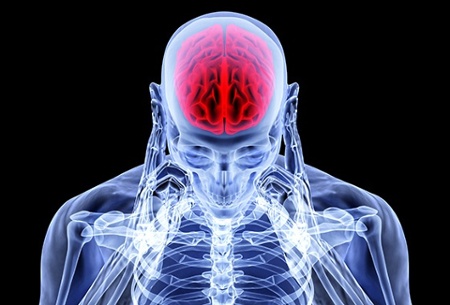
Types of Headaches
There are over 150 different types of headaches. They fall into two distinct categories: primary headaches and secondary headaches.
Primary Headaches
Primary headaches are caused by the dysfunction or overactivity of pain-sensitive areas of the head. They are not caused by an underlying medical condition. Some people can have a genetic predisposition to developing these headaches more frequently.
Primary headaches can include the following:
- Migraine headaches
- Cluster headaches
- Tension headaches
- New daily persistent headaches (NDPH)
There are certain triggers that can start a primary headache. The following list contains some primary headache triggers:
- Processed foods that contain nitrates
- Alcohol (particularly red wine)
- Changes in your sleep pattern or lack of sleep
- Nicotine intake
- Physical activity
- Skipped meals
- Poor posture
- Coughing, sneezing, straining, blowing your nose, and laughing
- Dehydration
Secondary Headaches
Secondary headaches are caused by an underlying medical condition. Some of the secondary headaches that usually go away once the condition is treated are listed below.
- Sinus headaches
- Dehydration headaches
- Medication overuse headaches
What Causes Headaches?
Headaches are a result of pain signals sent from the surrounding muscles and blood vessels, through the nerves, to the brain. Different mechanisms will cause these pain signals to occur, according to the type of headache. Head pain may also originate from the scalp, sinuses, teeth, muscles, and joints of the neck.
What Do Headaches Feel Like?
Headaches feel like pressure that is exerted on your head or face. It can be a constant or throbbing pain that is either dull or sharp in intensity. This pain can be felt in any part of the head and varies in frequency.
If you ever experience a sudden, severe headache, it would be best to seek immediate medical care. Severe headaches may be a symptom of a serious health condition.
How Headaches Are Diagnosed
If you have frequent or extremely painful headaches, reach out to your healthcare provider. Headaches need to be diagnosed correctly so that your doctor can prescribe the proper treatment.
A headache specialist may use various methods to diagnose the cause of your headaches. They will perform a physical exam, consider your medical history, and review the pattern of your past headache symptoms to achieve a proper diagnosis.
To learn about the history of your headache symptoms, your doctor may ask you the following questions:
- When did your headaches start?
- Do you experience a single type of headache or multiple types of headaches?
- Does physical activity aggravate your headache?
- Do others in your family suffer from frequent headaches?
- What symptoms do you experience between headaches?
- Are there associated symptoms, such as photophobia, nausea, and dizziness?
Your healthcare provider will also look for physical and neurological symptoms that could indicate underlying physical conditions or neurological disorders. Some signs and symptoms of conditions that could cause a headache are listed below.
- High blood pressure
- Infection
- Fever
- Muscle weakness, numbness, or tingling
- Loss of consciousness
- Excessive fatigue or sleepiness
- Seizures
- Dizziness
- Balance problems and frequent falls
- Vision problems (blurry vision, double vision, blind spots)
- Mental confusion or personality changes
- Nausea and vomiting
Headache Treatment
Typically, pain management has the goal of completely stopping your pain. However, with headaches, the approach is a bit more complicated.
The focus of pain management for headaches is to significantly reduce the severity, duration, and frequency of your headaches. Treatment options for headache pain may include:
The exact course of treatment will depend on your specific medical needs. Pain management may include several of these methods in order to provide you with the level of support you need.
Find Relief from Headaches in New York
Headache pain doesn’t have to control your life. Whether you are dealing with tension-type headaches, migraine attacks, or other headache disorders, our team at NY Neurology Associates is here to help. We’ll work with you to identify migraine triggers, treat headaches effectively, and reduce headache frequency with a personalized care plan.
Call us today to schedule your appointment and take the first step toward lasting relief from headache pain.