
At New York Neurology Associates, we understand how concerning changes in memory and thinking can be for you and your loved ones. Contact us today to schedule an appointment at one of our New York offices and receive expert, compassionate care focused on protecting cognitive health, identifying the causes of memory loss, and providing personalized support for dementia.

Your cognitive health is an important part of your overall brain health. As we age, some changes in memory and thinking are expected, but significant cognitive decline or cognitive impairment is not considered a normal part of aging and may signal an underlying neurological condition.
If you are concerned about changes in memory or thinking, our specialists at New York Neurology Associates can provide a comprehensive evaluation and personalized treatment plan to help support a healthy brain throughout your life course. Contact us today.
If you’ve noticed changes in your memory or thinking, you may have a condition known as Mild Cognitive Impairment (MCI). MCI describes a level of cognitive impairment that is greater than what is expected with normal aging but does not significantly interfere with a person’s independence or daily life.
While not everyone with MCI will develop dementia, it is associated with an increased dementia risk and can be an early step toward developing dementia. Identifying MCI early allows neurologists to evaluate potential risk factors, recommend lifestyle changes, and monitor changes in cognitive function over time.
One of the earliest and most recognizable signs of cognitive decline is memory loss, particularly difficulty remembering recently learned information. You or your loved ones may notice repeated questions, forgetting recent conversations, or frequently misplacing everyday items such as keys or a wallet.
Other dementia symptoms may include:
Although these symptoms tend to develop gradually, persistent changes should not be ignored. An early diagnosis can help identify whether symptoms are related to Alzheimer’s disease, another neurological condition, or a potentially reversible medical problem.
Your brain relies on five core cognitive skills to process, store, and use information throughout the day. Neurologists often evaluate these abilities when assessing cognitive decline and dementia.
The ability to stay focused, ignore distractions, and concentrate on a task.
The ability to learn, store, and recall information. Because dementia often affects memory, this is one of the first areas evaluated during a cognitive assessment.
The ability to analyze information, solve problems, and make sound decisions.
How quickly your brain understands and responds to new information.
The ability to recognize patterns, understand relationships, and reach conclusions.
These cognitive skills depend on healthy communication between billions of nerve cells throughout the brain, including areas within the frontal and temporal lobes, which play important roles in memory, language, and decision-making.
Recognizing cognitive decline early gives patients the greatest opportunity to slow progression, address underlying conditions, and maintain independence for as long as possible.
Research suggests that changes associated with Alzheimer’s disease may begin years or even decades before noticeable symptoms develop. Similar changes can also occur in other related dementias, including vascular dementia, Lewy body dementia, frontotemporal dementia, and mixed dementia.
Our neurologists perform a comprehensive evaluation that includes a review of your medical history, neurological examination, and cognitive testing to identify potential causes of memory concerns. We also look for treatable conditions such as sleep apnea, sleep disturbances, depression, vitamin deficiencies, or a previous traumatic brain injury, all of which can contribute to mental decline.
Diagnostic testing may include:
During the evaluation, we also identify modifiable risk factors such as high blood pressure, diabetes, high cholesterol, and reduced blood flow to the brain. Addressing these conditions can play an important role in preserving long-term cognitive health.
Although there is no guaranteed way to prevent Alzheimer’s disease or other forms of dementia, research shows that certain healthy habits may lower your overall dementia risk and support lifelong brain health.
At New York Neurology Associates, our prevention plans are personalized based on each patient’s age, symptoms, family history, and overall health care needs.
Our recommendations may include:
Organizations such as the Alzheimer’s Association also encourage managing cardiovascular health, staying mentally active, and maintaining strong social connections as part of long-term risk reduction strategies.
Occasional forgetfulness is common, especially among older adults, but ongoing memory concerns, difficulty completing familiar tasks, or changes in thinking should not be dismissed as normal aging.
If you or a loved one is experiencing persistent memory loss, worsening dementia symptoms, or other signs of cognitive decline, a neurological evaluation can help determine the cause and identify appropriate treatment options.
At New York Neurology Associates, we provide comprehensive assessments for Alzheimer’s disease, vascular dementia, Lewy body dementia, frontotemporal dementia, and other causes of memory and thinking changes. Early evaluation provides the best opportunity to identify treatable conditions, reduce future risk, and help patients maintain their independence and quality of life. Contact us today to schedule an appointment.
Early screening, risk-factor management, and individualized prevention strategies can significantly impact long-term brain health and cognitive performance. At New York Neurology Associates, our board-certified neurologists provide advanced diagnostic evaluations and proactive treatment plans.
Contact one of our offices in New York today to schedule an appointment and take the next step toward protecting your memory and cognitive function.
It’s normal to occasionally forget a name or misplace your keys as you get older. Dementia involves ongoing changes in memory, thinking, or reasoning that interfere with daily activities and become progressively worse over time.
No. Many people with Mild Cognitive Impairment (MCI) remain stable for years, and some may even improve if an underlying cause is identified and treated. However, MCI does increase the risk of developing dementia, so regular monitoring is recommended.
There is no guaranteed way to prevent dementia or Alzheimer’s disease, but maintaining a healthy lifestyle may reduce your risk. Regular exercise, managing blood pressure and diabetes, getting enough sleep, eating a balanced diet, and staying socially and mentally active all support long-term brain health.
You should consider scheduling an evaluation if you or a loved one experiences persistent memory loss, difficulty completing familiar tasks, trouble finding words, confusion, or other changes in thinking that interfere with daily life. Early evaluation can help identify the cause and determine the most appropriate treatment plan.
A neurologist will typically review your medical history, perform a neurological examination, and complete cognitive screening tests. Depending on your symptoms, additional testing such as neuropsychological assessments, MRI brain imaging, or laboratory studies may be recommended to identify the underlying cause of cognitive decline.
Related Services:
Testimonial
“Great and quick service. It was a great experience I’m really satisfied with.“
– Ronsard J.
Providers
Specialties





Related Blogs

A Third of Eligible Migraine Patients Were Not Offered Preventive Therapy
Find out why a third of eligible migraine patients were not offered preventive therapy and
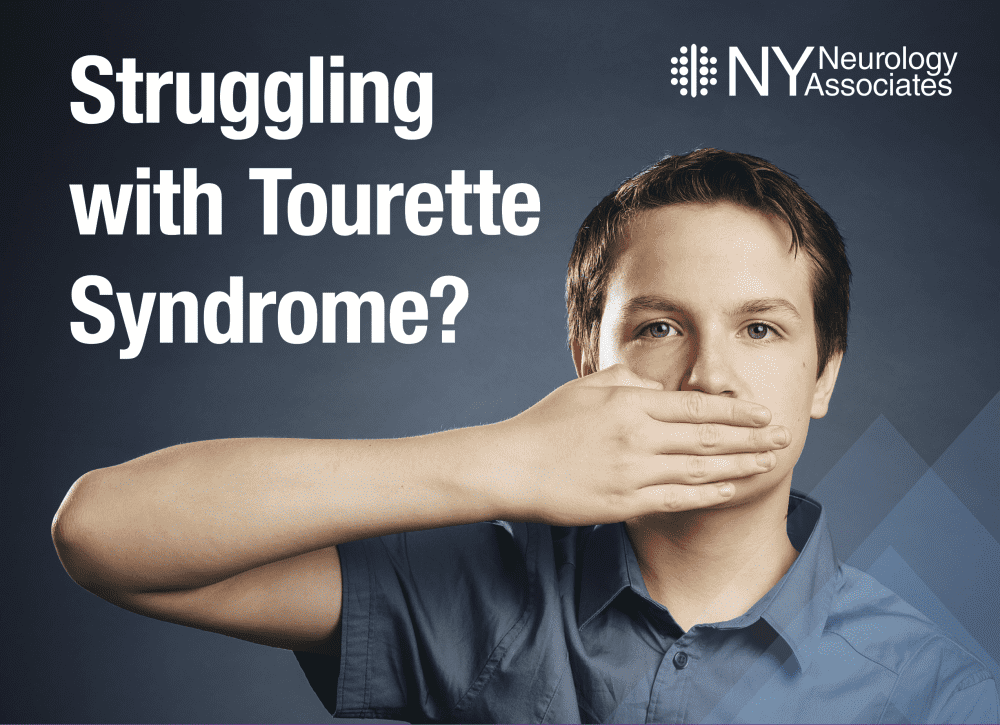
New NYNA Tourette Syndrome Study
Learn how NY Neurology Associates is advancing Tourette syndrome care with innovative treatments and a

Seizures: Understanding and Overview
Discover what causes seizures, how to recognize key symptoms, and the steps that help keep

Home Age-related memory loss can be devastating to the person suffering from it as well as for
Feedback From our Patients
Choose your preferred location