Whether your head injury occurred during contact sports, a fall, a motor vehicle accident, or another event, our neurologists specialize in diagnosing and treating concussions and other forms of traumatic brain injury. Prompt evaluation can help restore brain function, reduce the risk of long-term complications, and support a safe recovery.
Our team at NY Neurology Associates offers a full spectrum of care, from immediate concussion assessment to long-term management of persistent concussion symptoms and postconcussion syndrome. If you’re experiencing concussion symptoms, contact one of our New York offices today to schedule a comprehensive evaluation and receive expert, personalized care.
What is a Concussion?
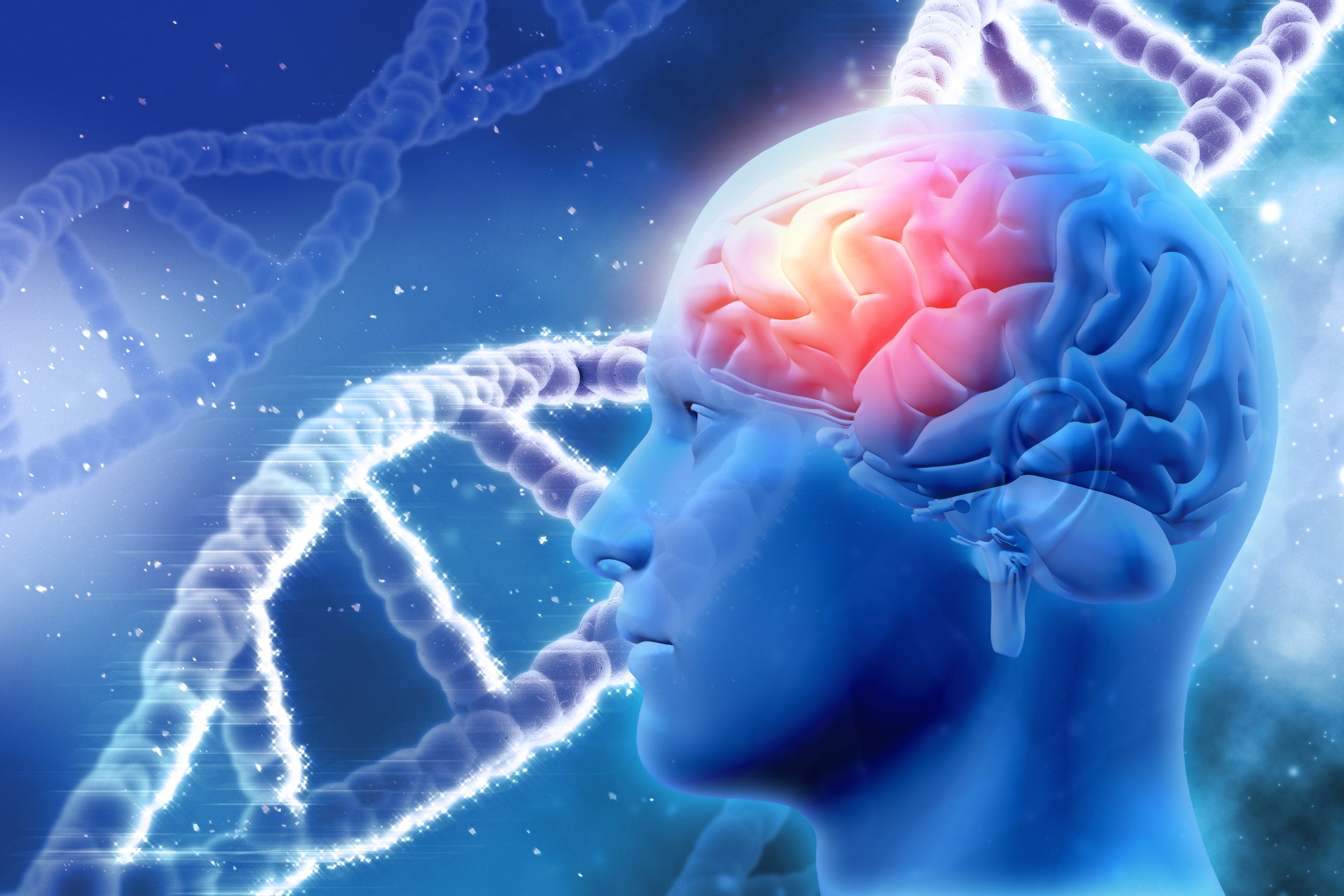
A concussion is a mild traumatic brain injury that temporarily affects brain function. It occurs when a blow or jolt to the head or body causes the brain to move rapidly inside the skull, resulting in temporary chemical changes and stretching of brain cells.
Although a concussion is considered a mild brain injury, it should never be ignored. Symptoms may appear immediately or develop over the following hours or days, making it important to seek evaluation after any significant head injury.
Common Concussion Causes
As mentioned, a concussion occurs when there is an impact or sudden acceleration or deceleration of your head. While anyone can experience a concussion, certain risk factors, such as participating in contact sports, may increase the likelihood of injury.
Common causes of concussion include the following:
- Falling
- Sports injuries
- Motor vehicle accidents
- Bicycle accidents
- Violent assaults
Signs and Symptoms of a Concussion
Every concussion is different, and concussion symptoms can vary from person to person. Some symptoms occur immediately after the injury, while others may not become noticeable until several hours later.
Common physical symptoms include:
- Headache or pressure in the head
- Dizziness or balance problems
- Nausea or vomiting
- Blurred vision or sensitivity to light/noise
- Difficulty concentrating or remembering
- Fatigue or changes in sleep patterns
- Emotional changes such as irritability or anxiety
While most people recover within days to weeks, some develop postconcussion syndrome, where symptoms continue for several weeks or months. Repeated concussions can also increase the risk of longer recovery times and future neurological problems.
When to Seek Emergency Care
Seek emergency care immediately if you or someone else develops any of the following after a head injury:
- A headache that gets worse
- Repeated vomiting
- Increasing confusion or inability to recognize people
- Slurred speech
- Weakness, numbness, or difficulty walking
- Seizures
- Unequal pupil size
- Loss of consciousness or difficulty waking up
These symptoms may indicate a more serious or life-threatening brain injury that requires immediate medical attention.
How Concussions Are Diagnosed
Accurate diagnosis is the cornerstone of effective concussion management. A healthcare professional, such as one of our neurologists, will review your medical history, discuss how the injury occurred, evaluate your symptoms, and perform a comprehensive neurological examination.
Diagnostic testing may include:
- Neurological and Cognitive Testing: Assessing attention, memory, reaction time, and overall brain function.
- Balance and Vestibular Evaluation: Detecting dizziness or inner ear problems.
- MRI or Advanced Brain Imaging (when indicated): To rule out bleeding or other structural brain injuries.
- EEG (Electroencephalogram): To evaluate brain activity when appropriate.
Treatment and Recovery From Concussion
Our goal is to reduce symptoms, promote brain healing, and safely return patients to their normal daily routines.
Treatment may include:
- Rest and Gradual Return-to-Activity Plans: A structured return to school, work, and physical activity based on your recovery.
- Vestibular and Balance Rehabilitation: For dizziness or instability.
- Vision Therapy: To improve visual tracking or focusing problems.
- Cognitive Rehabilitation: Exercises that improve attention, memory, and processing speed.
- Headache Management: For persistent headaches following a concussion.
- Mood and Sleep Support: Addressing anxiety, depression, and disrupted sleeping patterns.
- Nutraceutical Support: When appropriate as part of a personalized treatment plan.
During recovery, patients are often advised to temporarily limit activities that worsen symptoms, including prolonged screen time or playing video games, until they can be resumed comfortably.
Concussion Prevention and Return-to-Play Guidance
For athletes and active individuals, proper recovery is essential before returning to sports. Returning too soon can make symptoms worse and increase the risk of repeated concussions.
Our neurologists provide evidence-based return-to-play and return-to-learn protocols for athletes participating in contact sports and other high-risk activities. We carefully monitor recovery to help reduce the risk of another head injury.
Preventing Future Concussions
These strategies may help reduce your risk of another concussion or head injury:
- Wear properly fitted protective equipment during sports and recreational activities.
- Always wear your seat belt.
- Reduce fall hazards around your home.
- Protect young children by installing safety gates and window guards.
- Exercise regularly to improve strength and balance.
- Learn the warning signs of a concussion and never return to play on the same day a concussion is suspected.
Education is one of the best ways to prevent future injuries. We provide concussion education for athletes, parents, coaches, employers, schools, and healthcare professionals.
Schedule a Concussion Evaluation in New York
Prompt diagnosis and individualized treatment are essential for proper brain healing and the prevention of persistent symptoms. At New York Neurology Associates, our board-certified neurologists provide comprehensive concussion care and post-concussion syndrome management.
Contact one of our offices in New York today to schedule an appointment and begin your path to safe, complete recovery.