What is the Autonomic Nervous System?
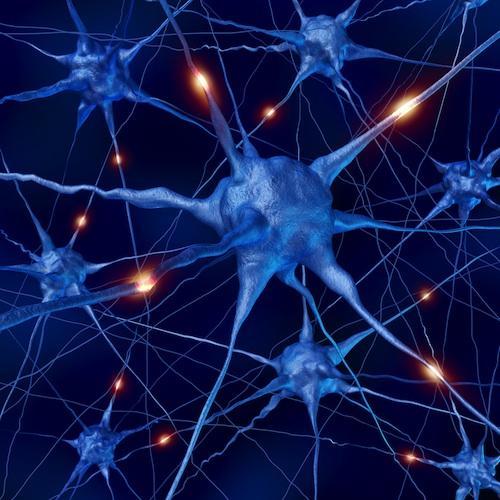
The autonomic nervous system (ANS) controls many of the body’s automatic functions—heart rate, blood pressure, digestion, temperature, and more. When this system malfunctions, patients can experience a wide range of symptoms that affect multiple body systems.
Our team of board-certified neurologists provides expert diagnosis and treatment for autonomic nervous system disorders, including those related to hypermobile Ehlers–Danlos syndrome (hEDS) and post-viral syndromes such as long COVID.
Understanding Autonomic Nervous System Disorders
Autonomic disorders—collectively known as dysautonomia—occur when the nerves that control involuntary body functions do not function properly.
Common forms of autonomic dysfunction include:
- Postural Orthostatic Tachycardia Syndrome (POTS)
- Neurocardiogenic Syncope (Vasovagal Syncope)
- Orthostatic Hypotension
- Pure Autonomic Failure
- Autonomic Neuropathy (often seen in diabetes or autoimmune disease)
- Multiple System Atrophy (MSA)
- Dysautonomia associated with hEDS or post-viral syndromes
The Connection Between hEDS and Autonomic Dysfunction
Individuals with hypermobile Ehlers–Danlos syndrome (hEDS) often experience symptoms of autonomic imbalance, including:
- Dizziness or fainting when standing
- Rapid heart rate
- Digestive irregularities
- Fatigue and exercise intolerance
- Heat or cold sensitivity
- Abnormal sweating
- Gastrointestinal disturbance
- Genitourinary disturbance
Research suggests that connective tissue laxity and altered blood vessel elasticity may contribute to autonomic instability in hEDS.
Our neurologists collaborate closely with rheumatology, cardiology, and physical therapy specialists to develop comprehensive, multidisciplinary care plans that address both joint hypermobility and autonomic symptoms.
Post-Viral and Long COVID Dysautonomia
After certain viral infections—including COVID-19—some patients develop post-viral dysautonomia, most commonly POTS.
Symptoms may include:
- Persistent rapid heart rate
- Dizziness or lightheadedness
- Brain fog and concentration problems
- Temperature intolerance
- Chronic fatigue
Our team has experience evaluating and treating patients with long COVID–related autonomic dysfunction, offering targeted therapies to help restore function and improve quality of life.
Diagnostic Testing
At New York Neurology Associates, we offer comprehensive autonomic function testing, including:
- Autonomic Reflex Screening
Heart Rate Variability Analysis - Skin biopsy
- Nerve Conduction Studies (NCS) and Electromyography (EMG)
These tests help our specialists accurately identify the underlying cause and severity of autonomic dysfunction to guide effective, individualized treatment.
Treatment and Ongoing Management
Our focus is on restoring stability and improving long-term quality of life through personalized, evidence-based care. Treatment plans may include:
- Lifestyle and hydration strategies
- Medications to regulate heart rate and blood pressure
- Treatment of abnormal sweating/hyperhidrosis
- Compression garments to improve circulation
- Physical therapy and graded exercise programs
- Nutritional and sleep optimization
- Coordination with multidisciplinary specialists
- Neuroplasticity or “Brain Rewiring” programs
Trusted Resources for Patients and Families
Education and community support are important parts of managing autonomic disorders. We encourage patients and caregivers to learn more through these reputable organizations:
- Dysautonomia Information Network (DINET): A patient-centered nonprofit offering comprehensive information about types of dysautonomia, treatment options, and personal stories. DINET provides educational resources, support forums, and up-to-date research for patients, caregivers, and healthcare professionals.
- site: A leading research and advocacy organization dedicated to improving the lives of people living with autonomic disorders. Dysautonomia International funds clinical studies, promotes physician education, and provides a global patient support network.
These organizations complement the care provided at New York Neurology Associates by offering ongoing education and community engagement opportunities.
Schedule an Autonomic Nervous System Evaluation in New York, NY
Autonomic disorders can significantly impact daily life, but accurate diagnosis and individualized treatment can restore stability and improve long-term quality of life. At New York Neurology Associates, our board-certified neurologists provide comprehensive testing and personalized care plans.
Contact us at one of our New York offices today to schedule an appointment and take the first step toward effective dysautonomia management.